
Why Do I Cry During Breathwork? The Science Behind Somatic Emotional Release
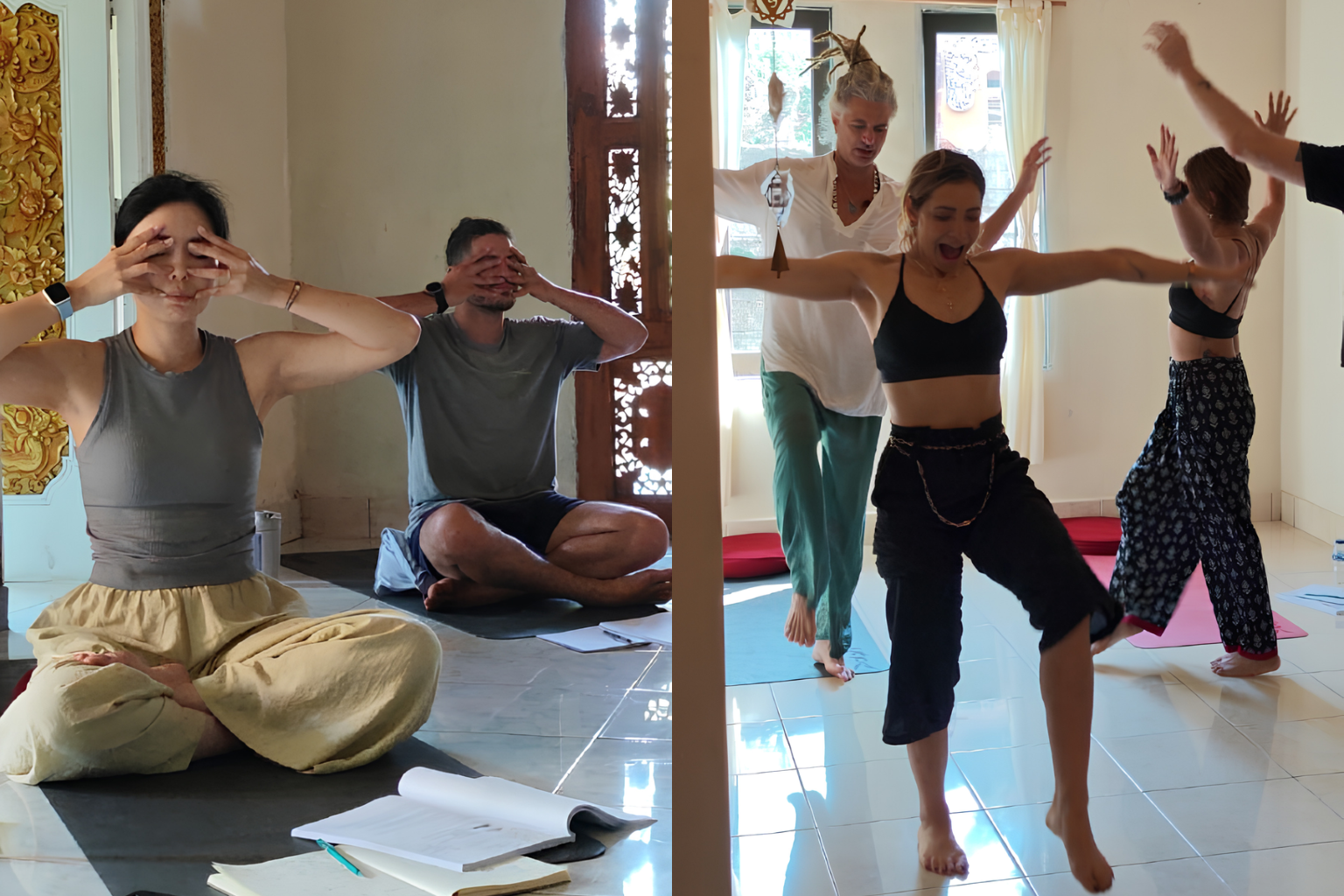
Before you have consciously identified a thought or feeling during breathwork, quiet tears begin rolling down your cheeks. For many guests participating in guided sessions at a Bali Breathwork and Sound Healing Retreat, this sudden wave of emotion arrives entirely unannounced.
Crying during breathwork can feel confusing. This reaction is a widely recognised somatic emotional experience shaped by shifts in breathing physiology, nervous system balance, and introspective attention. While tears are common, they are neither mandatory nor universal. Understanding the mind-body mechanics behind this reaction can demystify what is happening beneath your ribs.
Why Do I Cry During Breathwork: Five Possible Explanations
Increased Emotional Awareness
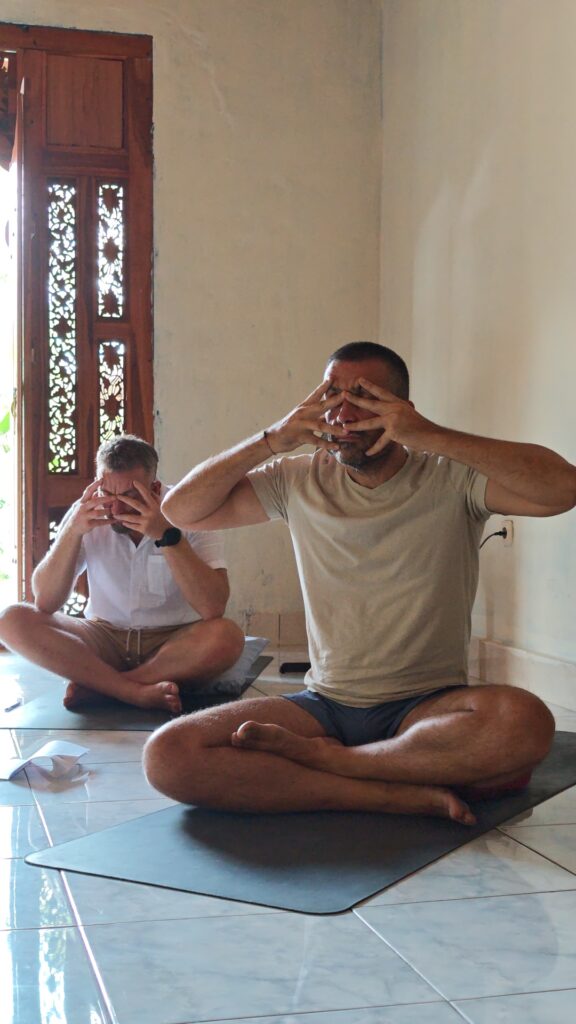
During structured breathwork, external distractions disappear. By redirecting attention inward to bodily sensations, you activate the anterior insular cortex and emotional recognition. Emotions that were quietly running in the background finally gain conscious bandwidth.
Changes in Autonomic Nervous System Activity
Tears are governed by the autonomic nervous system, primarily via parasympathetic lacrimal gland stimulation. When a breathwork practice helps a person shift out of chronic, low-grade sympathetic activation (“fight or flight”) into a parasympathetic restorative state, the sudden drop in physiological vigilance can trigger crying. Tears in this context represent a visceral physical unwinding.
Memories and Personal Associations
The quiet, meditative framework of breathwork can quiet internal mental chatter. As top-down cognitive control softens, unexpected autobiographical memories, sensory recollections, or forgotten personal associations may gently drift into conscious awareness, bringing genuine sentimentality or unresolved grief to the surface.
Physical Sensations Interpreted Emotionally
Intense breathing produces notable bodily changes: chest tightness, tingling, and shifts in body temperature. The brain continuously interprets bodily cues to generate emotional labels. Experiencing a sudden flutter in the chest or an expansive physical sensation in the diaphragm can be interpreted by the brain as vulnerability, awe, or grief, evoking real lacrimal release.
A Sense of Safety and Permission
In everyday social environments, crying in front of others carries friction. Guided breathwork retreats cultivate an environment of non-judgment and collective calm. When an individual feels thoroughly safe and unhurried, cognitive defences drop. Crying becomes an honest bodily expression of relief, vulnerability, or even profound gratitude.
Understanding Somatic Emotional Release
In wellness and somatic psychology traditions, bodily movements, tensions, and breathing habits are viewed as intimately entwined with emotional processing. Chronic stress routinely translates into unconscious physical holding patterns. When targeted breathwork softens these motor patterns, individuals often report a subjective sensation of “letting go,” commonly referred to as somatic emotional release.
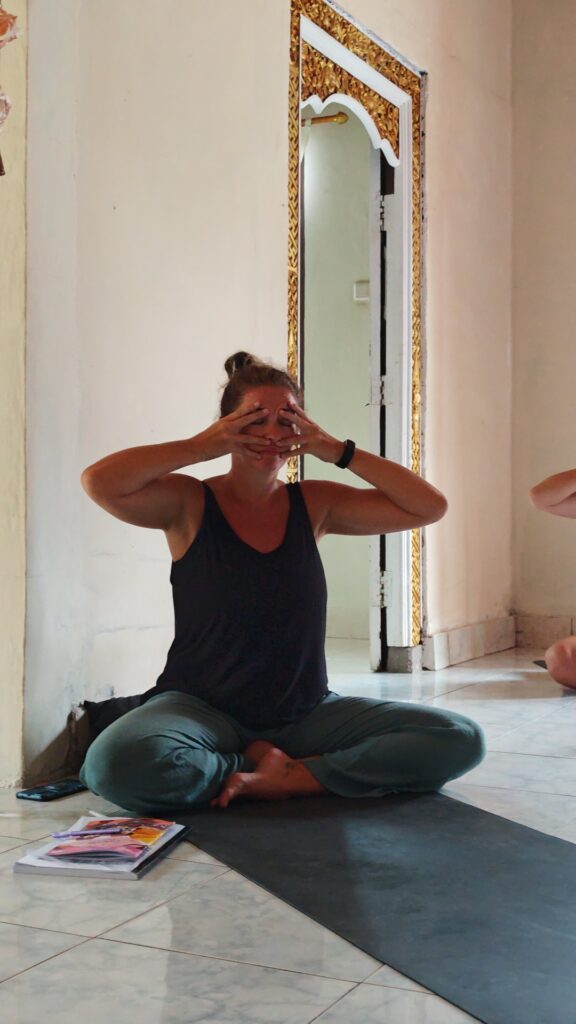
Is Crying During Breathwork Normal: What Should You Do
| Experience | Common Interpretation | Helpful Action |
| Silent tears | Parasympathetic transition or quiet emotional recognition | Allow them to flow |
| Sudden sobbing | Surge in emotional vulnerability or sensory intensity | Slow the breath, ground your awareness in the floor |
| No emotional response | Deep calm, physical rest, or neutral focus | Enjoy the stillness; do not attempt to force tears |
| Overwhelm or panic | Over-ventilation or distressing cognitive activation | Shift to nose breathing; open eyes; notify facilitator |
Frequently Asked Questions
Does crying during breathwork mean I am releasing trauma?
Not necessarily. While crying signals emotional receptivity or autonomic transition, there is no clinical evidence that psychological trauma is physically expelled through tears.
Is it normal to feel emotional after a sound bath?
Yes. The sensory immersion, quiet introspection, and calming auditory rhythms of a sound bath often induce sustained relaxation, which can occasionally evoke emotional sensitivity or feelings of relief.
Can beginners attend a Bali Breathwork and Sound Healing Retreat?
Yes, provided the retreat caters to varied experience levels and offers clear, gentle orientations.
Join our Bali Breathwork and Sound Healing Retreat today! Contact us today for more details.