
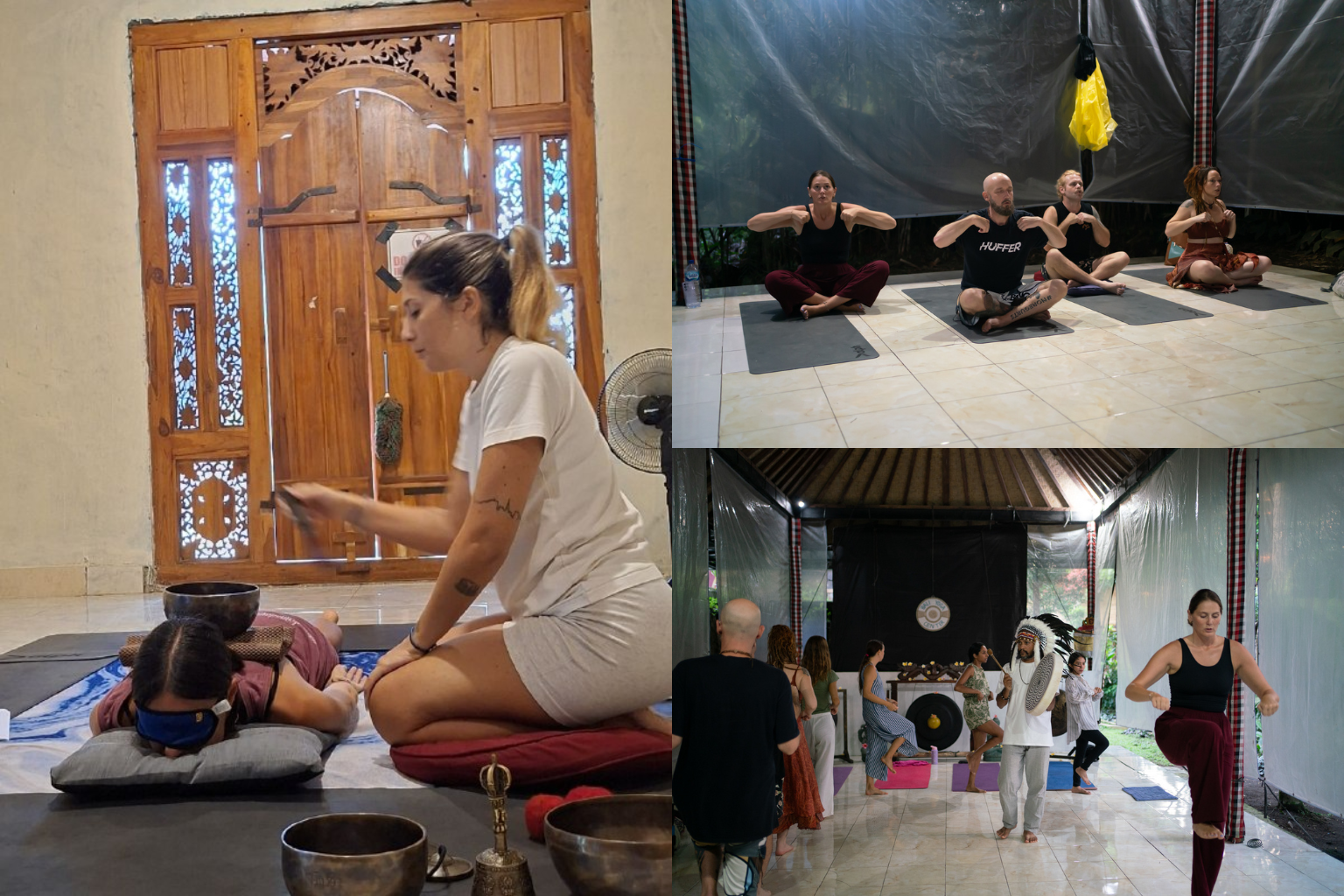
The Science of Stillness: How Turtle Breathing (Kurma Pranayama) and 7-Chakra Sound Baths Deepen Meditation in Bali’s Jungle
Stepping away from the daily overload requires conscious intention, which is why travellers seeking calm frequently turn towards Bali’s lush tropical highlands. Here, pairing the steady rhythm of Turtle Breathing (Kurma Pranayama) with the 7-Chakra Sound Baths creates an accessible bridge to deep mental presence. Selecting the Best Bali Yoga Retreat allows you to explore these complementary disciplines within a supportive, restorative environment.
What Is Turtle Breathing (Kurma Pranayama)?
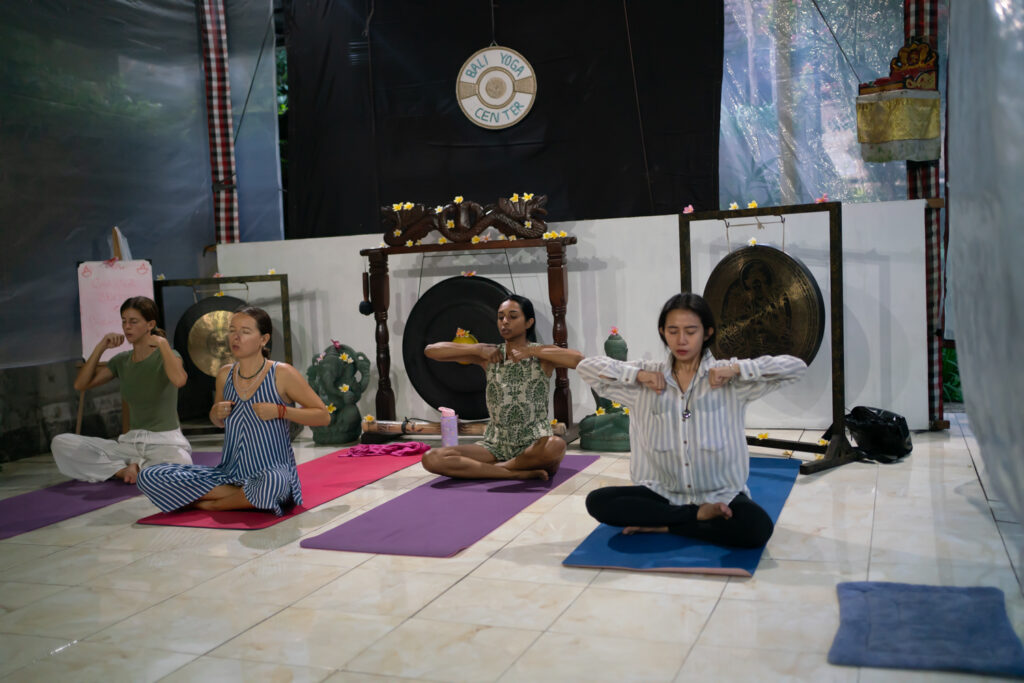
In classical yogic thought, the turtle (Kurma) represents the withdrawal of the senses (pratyahara). A practitioner draws attention inward, stepping back from external distractions. In modern breathwork, the turtle breathing technique adapts this philosophical metaphor into gentle, rhythmic respiration:
Conscious Deceleration: Extending the length of each exhalation so that breathing becomes quiet, subtle, and unhurried.
Inward Sensory Focus: Using the rhythm of each cycle as a quiet internal anchor, shifting focus from external stimuli to somatic sensation.
Non-Straining Cadence: Maintaining an easy, fluid pace rather than forcing deep air volume or uncomfortable holds.
While modern breathwork instructors teach varying applications of Kurma-inspired respiration, it is best understood as an experiential practice designed to cultivate internal stillness.
Understanding The Seven-Chakra Sound Bath Experience
Sound-based relaxation incorporates resonant instruments into contemplative practice. In traditional Indian spiritual philosophy, the subtle body is viewed through an energy mapping of seven primary centres (chakras):
- Root (Muladhara)
- Sacral (Svadhisthana)
- Solar Plexus (Manipura)
- Heart (Anahata)
- Throat (Vishuddha)
- Third Eye (Ajna)
- Crown (Sahasrara)
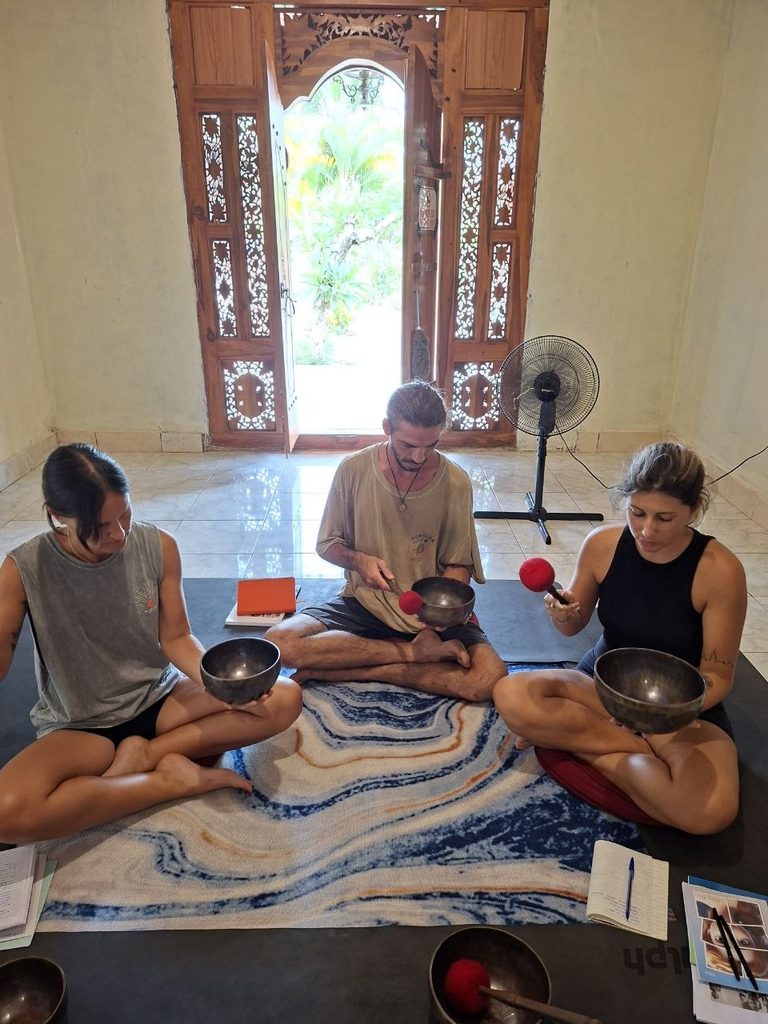
During a chakra sound bath, facilitators layer overtone-rich instruments, such as Himalayan singing bowls, crystal bowls, tuned gongs, and chime bells. While chakras represent symbolic frameworks, listening to these textured harmonic tones provides a spacious sonic landscape for resting attention.
How Sound Baths May Influence Meditation And Relaxation
A Focused Auditory Anchor: Practitioners focus on lingering acoustic overtones, naturally drawing awareness into the present moment.
Passive Attentional Support: Sustained tonal resonance offers an effortless path to sustained attention.
Sensory Unloading: Rhythmic vibrations and ambient layering encourage muscle relaxation and lower subjective feelings of daily stress.
Combining Kurma Pranayama and Seven-Chakra Sound Baths
Integrating steady breathwork with resonant sound deepens presence. In a structured retreat setting, a combined session often follows a measured path:
Grounded Posture: Reclining supported on bolsters or sitting comfortably in an open-air shala.
Natural Breath Awareness: Observing the unhurried entry and exit of air.
Gentle Kurma Breathing: Gradually smoothing each exhalation, softening muscular tension around the ribs and abdomen.
Shifting to Sound: Transitioning mental focus toward the layered frequencies of singing bowls.
Acoustic Immersion: Allowing the seven-chakra sound progression to wash over the body without active analysis.
Integration: Concluding with quiet stillness to absorb the calm before moving.
Integrating Turtle Breathing (Kurma Pranayama) and 7-Chakra Sound Baths offers a practical, grounded pathway into restorative stillness. Discover our Best Bali Yoga Retreat and book your jungle sanctuary journey today. Contact us for more details.