
Sound Bath Contraindications: Who Should Avoid Sound Healing? (Full Safety Guide)
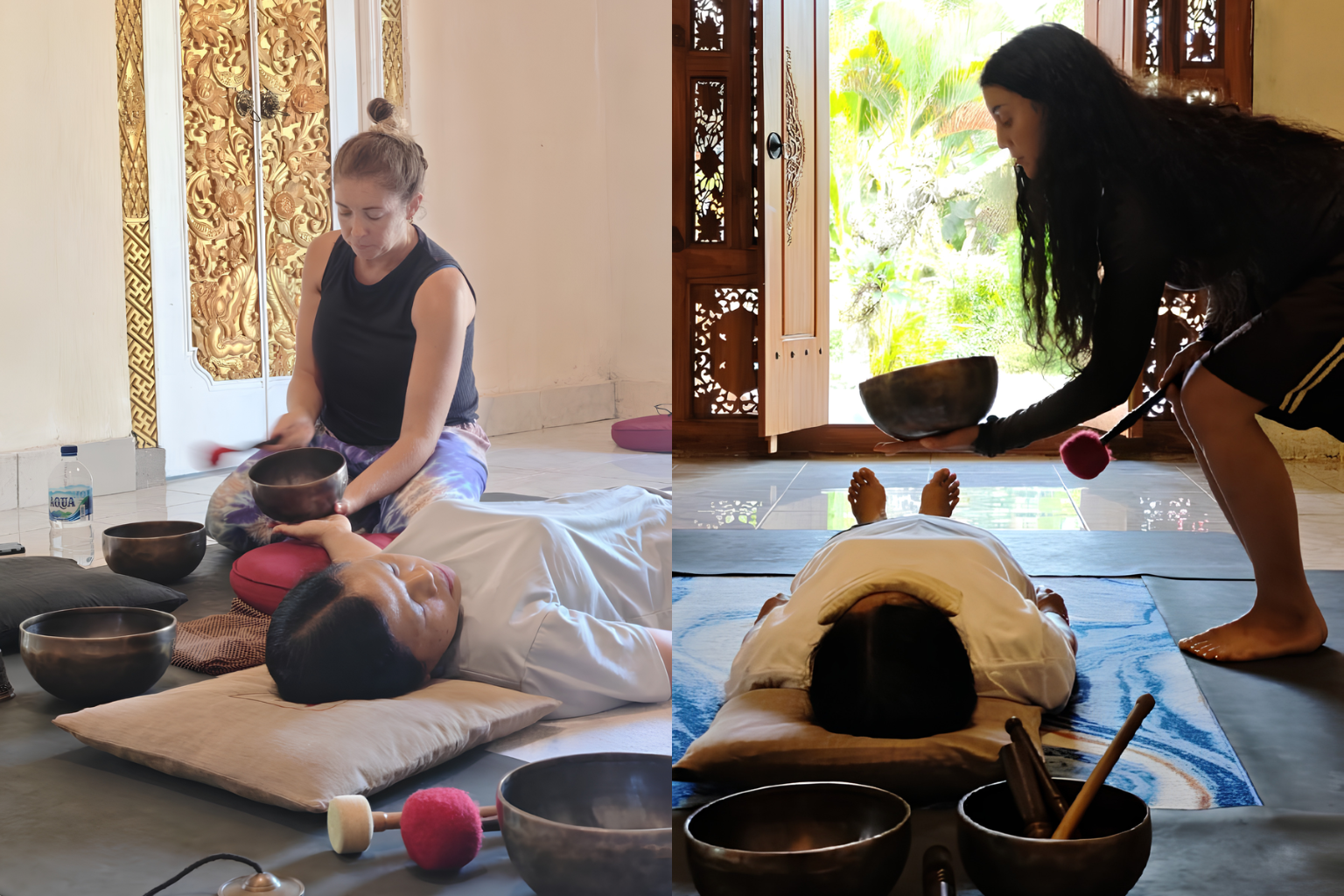
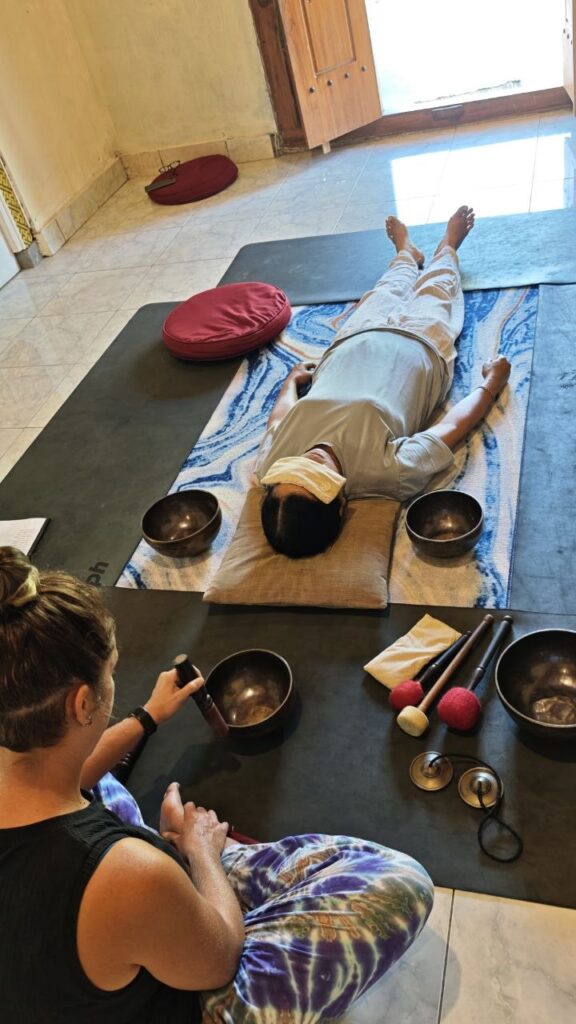
Sound baths are guided relaxation sessions using singing bowls, gongs, chimes, and tuning forks to create layered acoustic environments. For many participants, these resonant frequencies promote deep rest and mindfulness.
However, sound healing is not universally comfortable or appropriate. Because sensory processing and medical histories vary widely, high volumes or intense vibrations can trigger discomfort in certain individuals. Understanding sound bath contraindications is vital when preparing for a Bali Meditation and Sound Healing Therapy Retreat.
Small observational studies suggest sound meditation may temporarily ease tension and improve mood, yet robust clinical evidence proving that sound frequencies cure physical or psychological conditions remains limited.
Sound Bath Contraindications: Who Should Be Cautious Or Avoid Sound Healing?
People With Tinnitus or Sound Sensitivity
Prolonged exposure to loud gongs or high-pitched singing bowls can temporarily spike tinnitus or cause auditory fatigue. If you experience tinnitus, speak with the facilitator beforehand about sound levels.
People With Hearing Conditions or Hyperacusis
Hyperacusis and certain types of hearing loss can make standard sound baths overwhelming. Instrument proximity, acoustic resonance in small rooms, and session length all influence comfort. Consult an audiologist before attending.
People With Epilepsy or a History of Seizures
Intense sensory stimulation, including certain rhythmic sounds or flickering candlelight, can affect individuals differently. If auditory or sensory stimuli have previously triggered symptoms, consult your neurologist before participating.
People With Migraine or Chronic Headaches
Sharp metallic overtones, deep bass vibrations, and dense sensory environments can aggravate migraine symptoms in susceptible people. Avoid attending during an active migraine.
People With PTSD, Anxiety, or a History of Trauma
Lying still with closed eyes in an unfamiliar room while lingering, unpredictable sounds echo around you can feel disorienting or emotionally overwhelming. While sound baths do not “release stored trauma” in a clinical sense, deep quiet or resonant tones can bring unexpected emotions to the surface.
People With Neurological or Sensory Processing Conditions
Individuals with autism, ADHD, or neurological conditions affecting sensory integration may experience vibrations and layered acoustics as either soothing or intensely overstimulating. Reactions vary from person to person, making personalised adjustments.
People Who Are Pregnant
Listening to moderate, ambient sound levels is not automatically harmful during pregnancy, though safety depends on volume, session duration, and room temperature. However, placing vibrating singing bowls directly onto the pregnant abdomen or body should not be assumed safe.
People With Implanted Medical Devices
Sessions involving strong physical vibrations, bowls placed directly on the chest, or specialised electronic sound equipment require caution. Always follow your cardiologist’s or device manufacturer’s specific advice.
What To Check Before Joining A Bali Meditation And Sound Healing Therapy Retreat
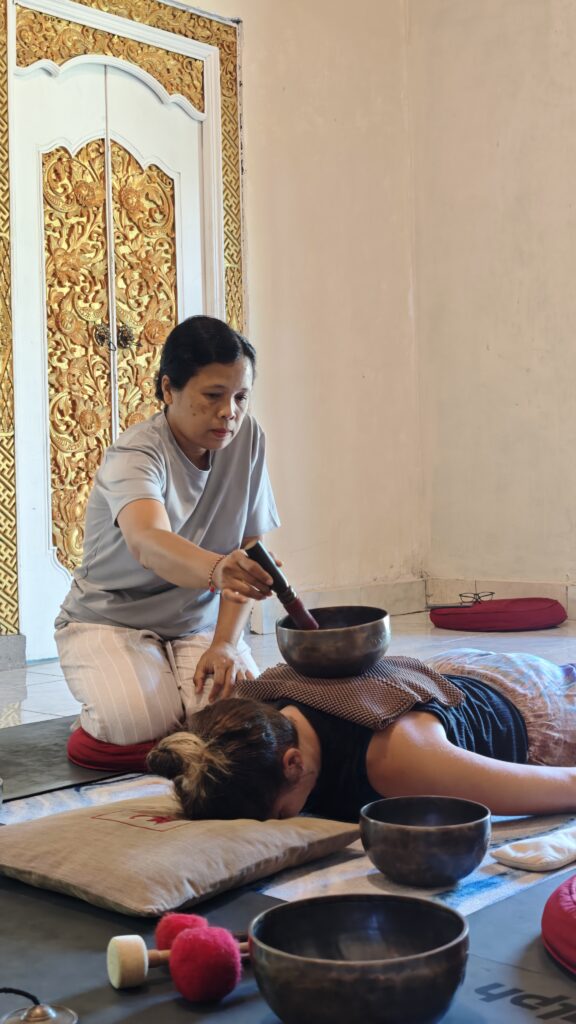
Bali is renowned for holistic wellness, attracting travellers seeking restorative retreats. Because group dynamics and acoustic spaces vary widely across studios, vetting a meditation and sound healing retreat Bali programme before booking ensures sound bath safety:
- Practitioner experience
- Health screening
- Sound levels and design
- Personal autonomy
- Clear communication and safety
Conclusion
Sound baths offer a peaceful way to slow down and reconnect with yourself, provided the environment suits your physical and sensory needs.
If you are planning a Bali Meditation and Sound Healing Therapy Retreat, contact us today for more details. Bali Yoga Retreat is a reputable center.